La Belle Polonoaise
The ARt deco queen
Paris in the 1920s smells like cigarettes, leather gloves, and expensive perfume. Jazz leaks out of every doorway, laughter lingers too long, and somewhere between shadow and spotlight, Tamara de Lempicka arrives. Not walks—arrives. Perfectly dressed, perfectly aware, already certain that every eye will turn. And they do. They always do. They call her La Belle Polonaise, not just because she is beautiful, but because she has turned her identity into something rare, almost fictional. Ask her where she was born—Warsaw, without much hesitation—but ask about the year, and the answer begins to blur, shifting slightly like a detail in a painting she keeps retouching. The truth is less important than the image. And Tamara has already understood something essential: if the story doesn’t exist, you create it.
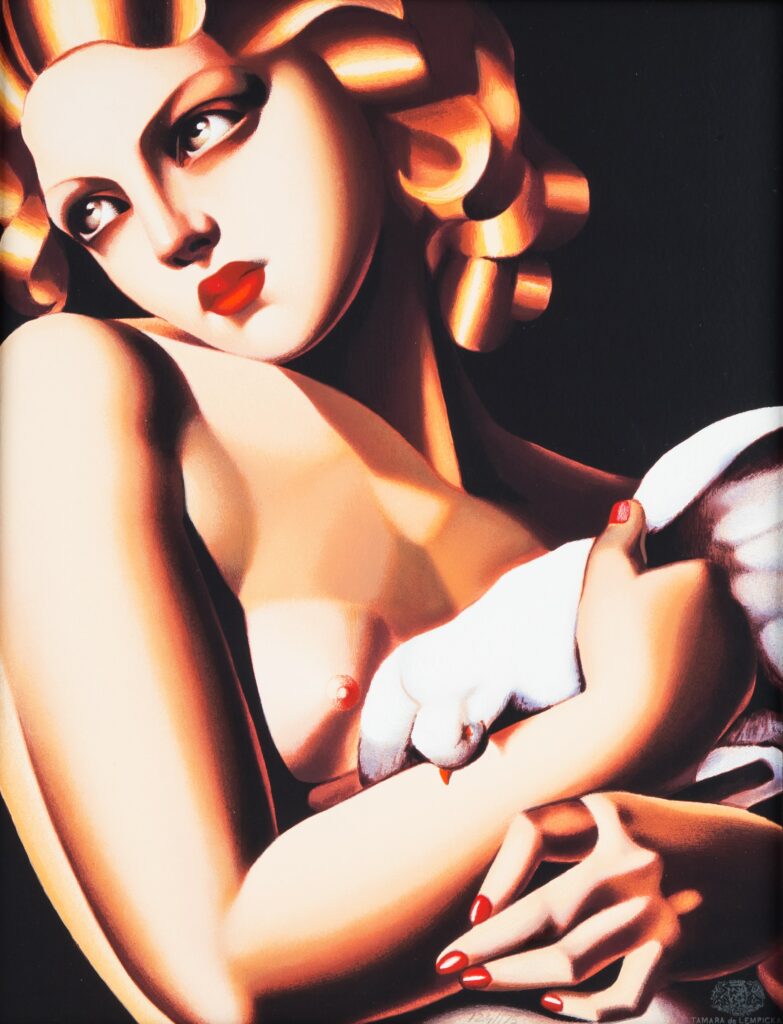
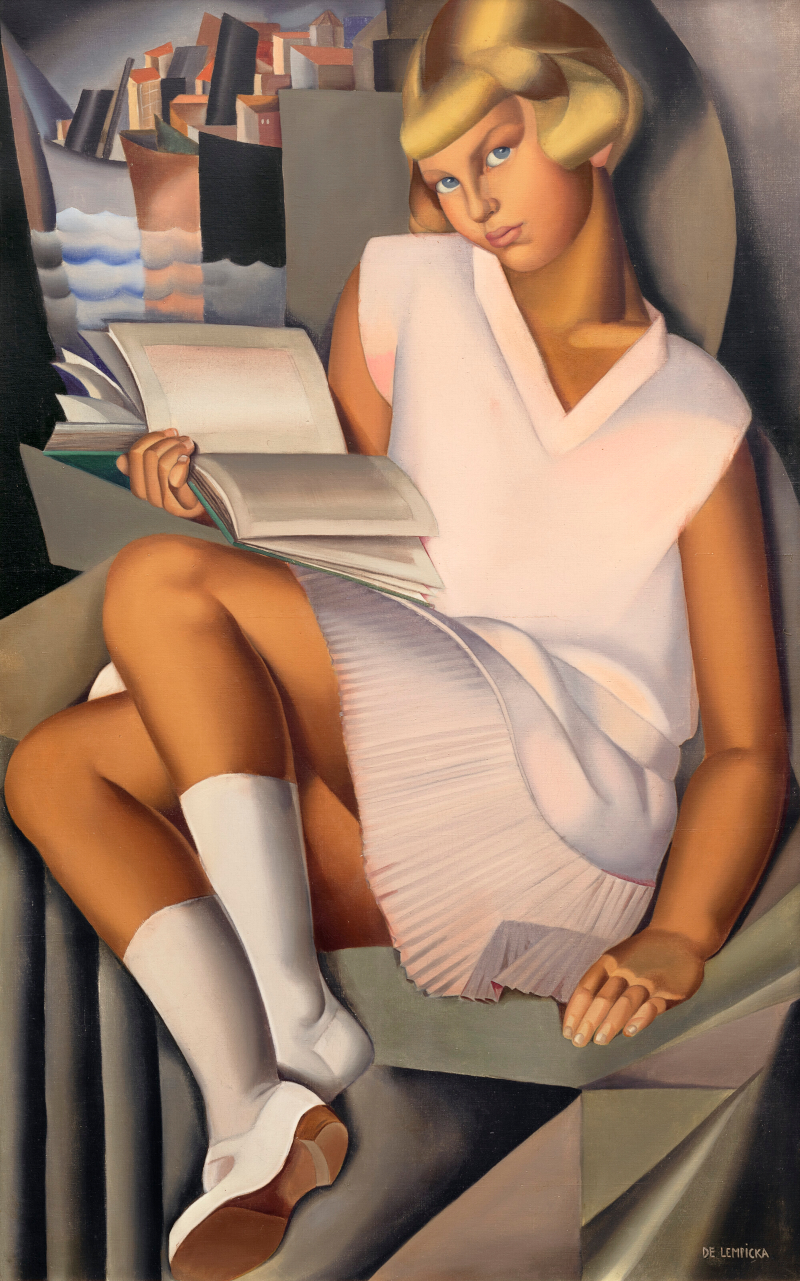
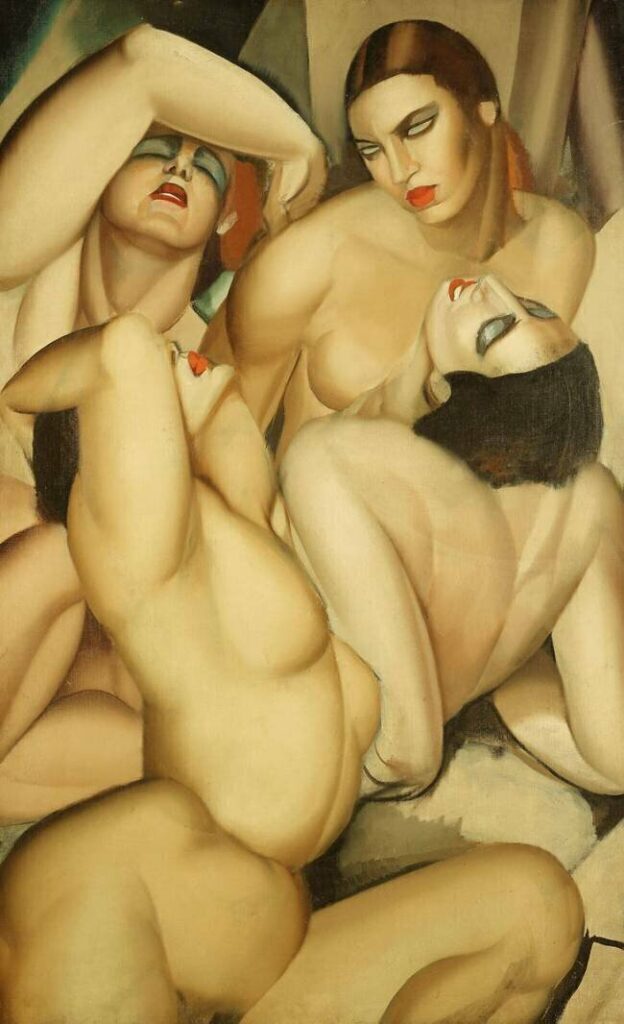
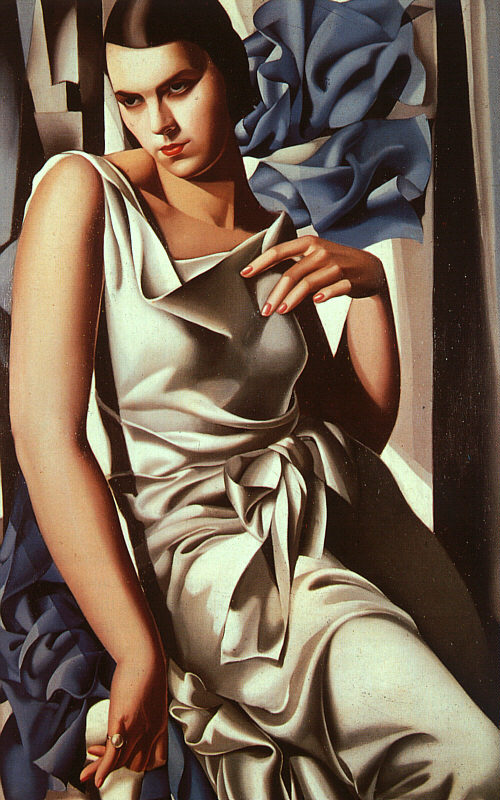
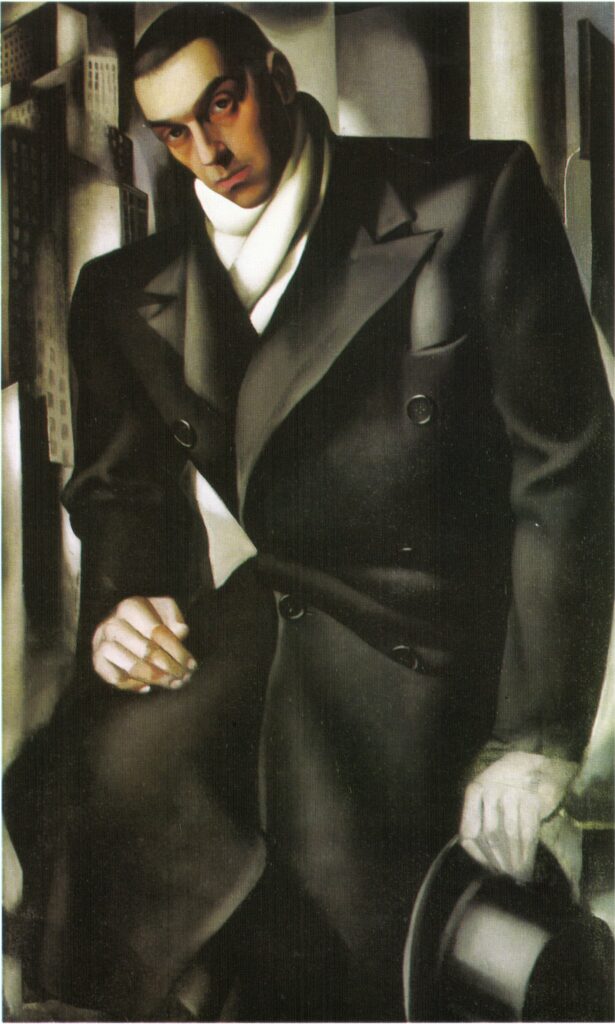
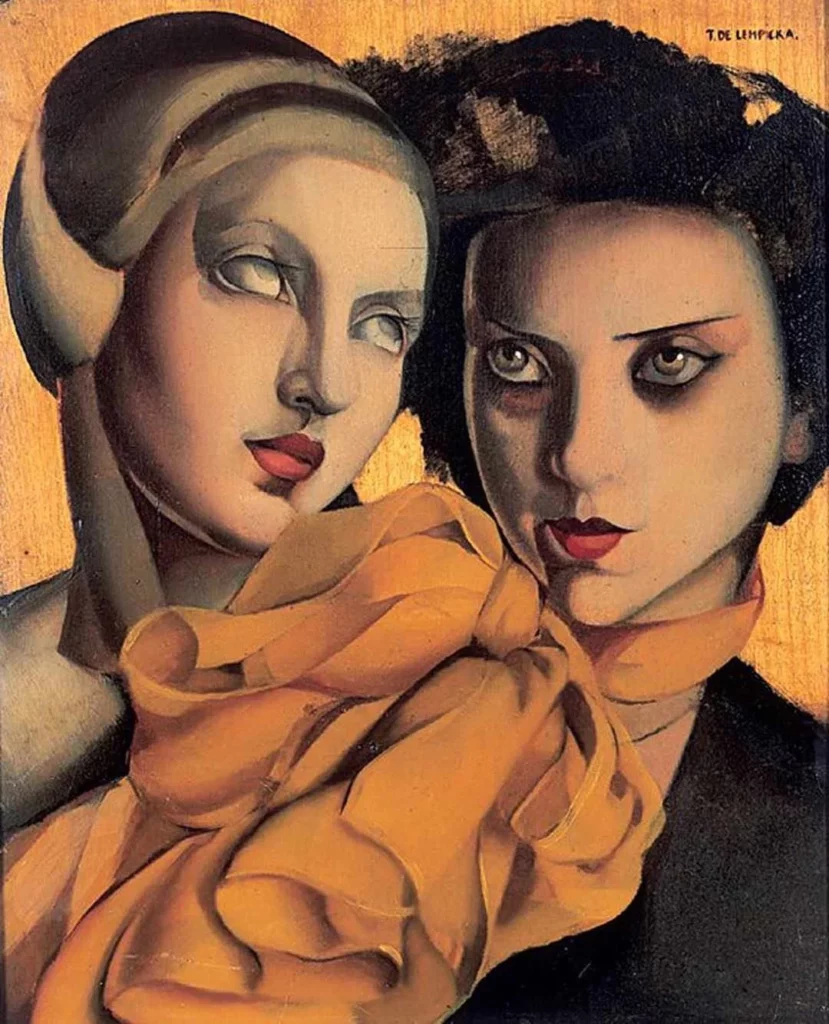
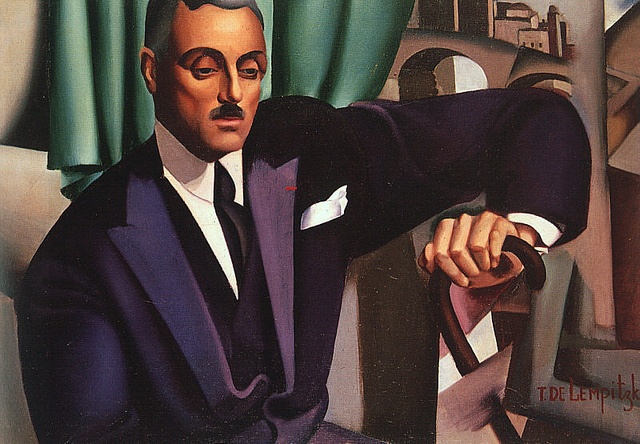
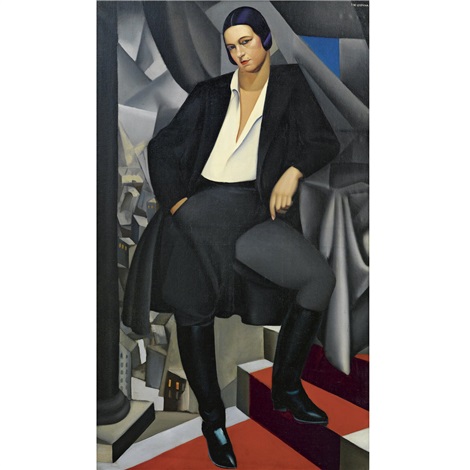
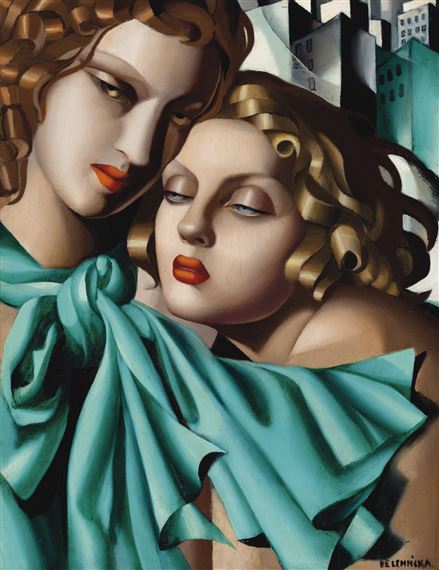
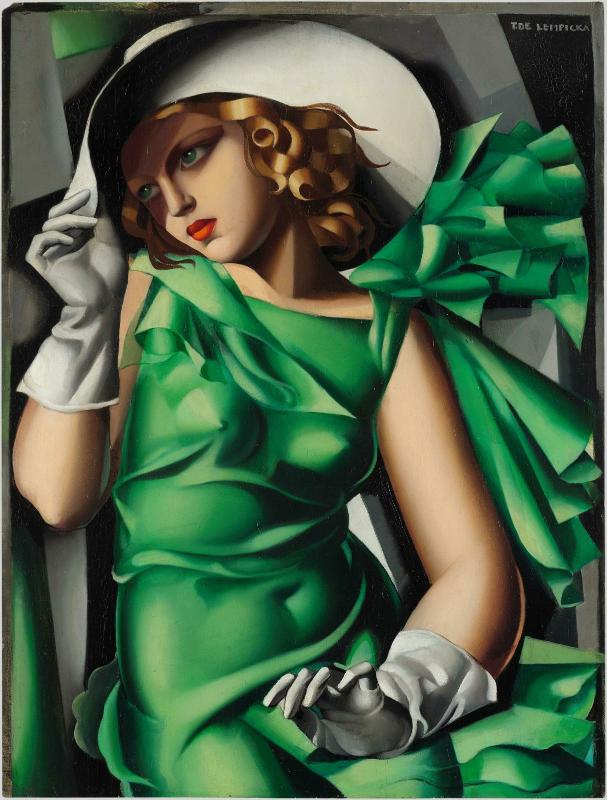
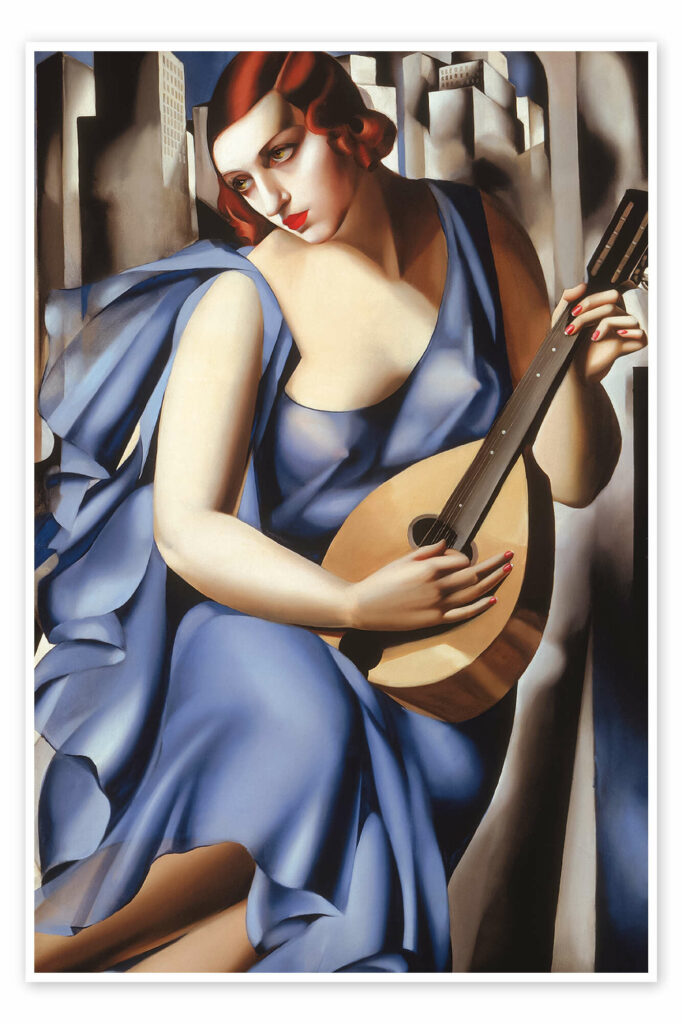
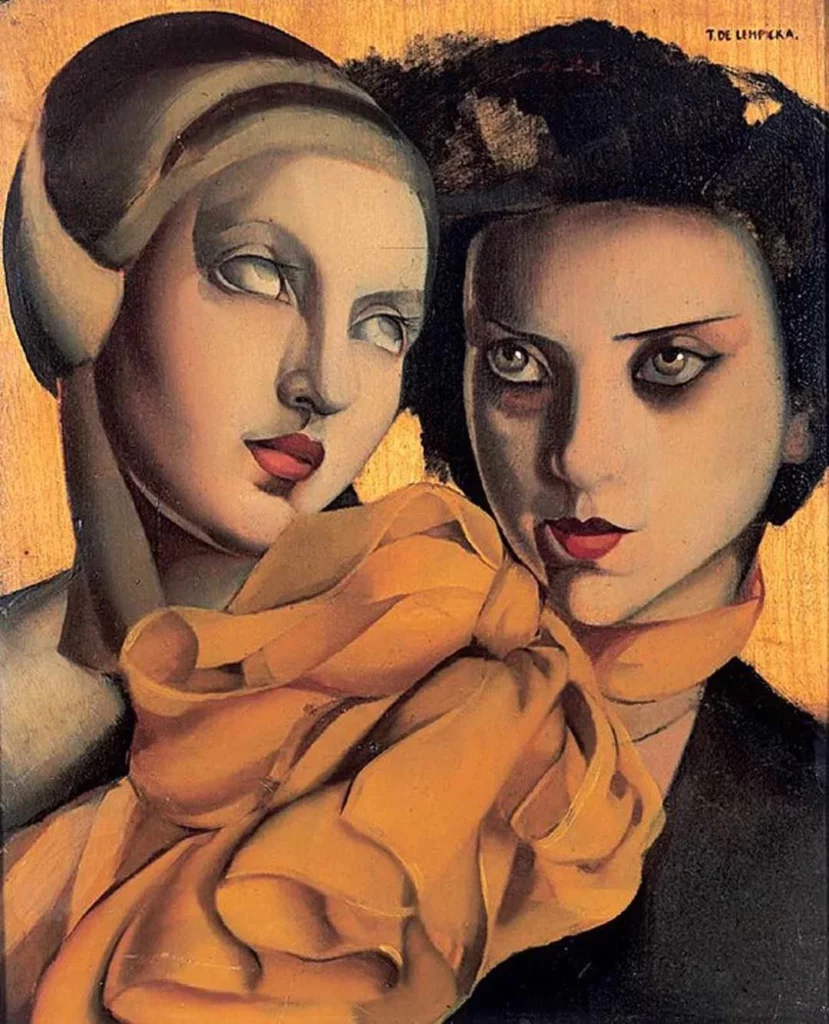
Before Paris, there was Saint Petersburg—a life of chandeliers, silk, and security that vanished with the Russian Revolution. Where others saw loss, she saw an opening. She arrived in Paris with her husband, Tadeusz Łempicki, but quickly understood she would have to rebuild everything herself. So she learned to paint—not slowly, not delicately, but with urgency. Around her, artists were breaking forms apart with Cubism, dissecting reality into angles and fragments. Tamara looked at it and thought: something is missing. Not technique. Not innovation. Desire. So she kept the structure, the geometry, the discipline—but she added something sharper, smoother, almost untouchable. This became her version of Art Deco: bodies like polished stone, faces controlled, sensuality that doesn’t ask for permission.
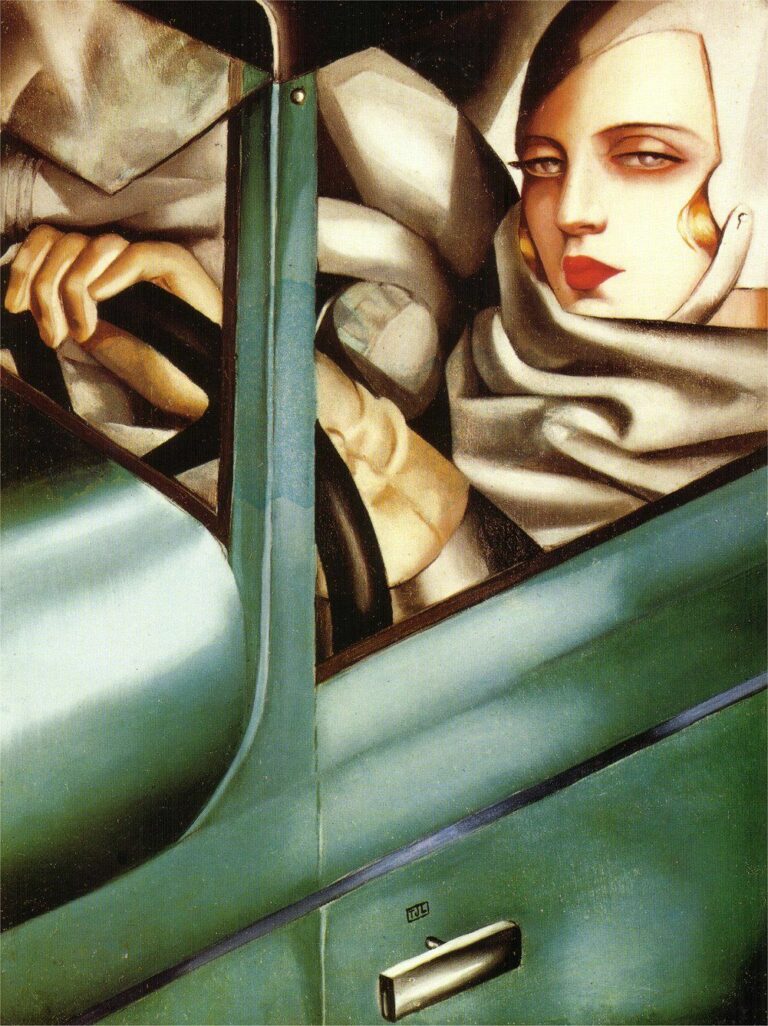
She didn’t wait to be discovered—she staged herself. She painted the rich and became one of them, moving through salons where names like Coco Chanel floated effortlessly, dressing like she already belonged to the world she was entering. And then came the image that would fix her forever in time: Self-Portrait (Tamara in a Green Bugatti). Gloves on, eyes forward, hand on the wheel—no hesitation, no softness. Painted for Die Dame, it wasn’t just a portrait, it was a declaration: she is not being driven, she is driving. The same control marked her personal life. Her marriage slowly dissolved, unable to contain her intensity. She loved men, she loved women, she loved inspiration in all its forms, including figures like Suzy Solidor, who seemed to exist in a permanent state of fascination. But no relationship ever truly competed with her work.
People later called her ruthless. Said she used others, that she moved through lives collecting emotions the way she collected lines and light. Maybe she did. But in a world that expected women to adapt, to soften, to compromise, Tamara de Lempicka chose something else entirely—she chose herself. Again and again. And that may be her real masterpiece: not just the paintings, but the character she built with such precision that even now, it’s impossible to separate the woman from the myth. She didn’t just create art—she created a way of being. Sharp, elegant, controlled, and just dangerous enough to be unforgettable.
“I live life in the margins of society, and the rules of normal society don’t apply to those who live on the fringe.”